


Vietnam Slowly: Limestone, Rice Terraces and the Perfect Bowl of Noodles
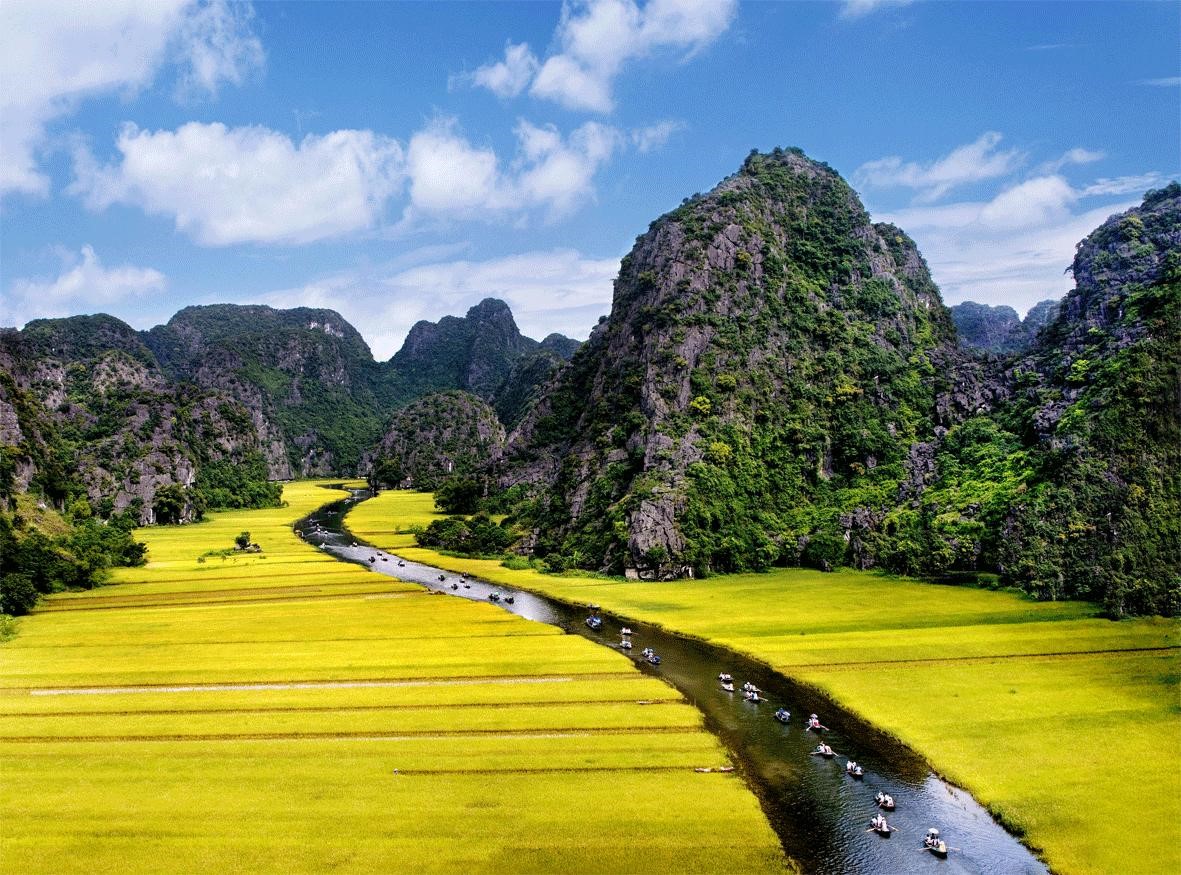
From karst rivers in the north to the jungles and waterways of the south, Vietnam rewards travellers who go slowly and eat everything.
eyesonvietnam
Vietnam’s reputation has often been built on motorbikes and neon cities. Beyond them lies a country of stone towers rising from rice paddies, river caves, rain-soaked forests and villages where life still follows the growing season. It is also a country where a meal can teach you as much about history as a museum does.
One honest note first. A travel writer who knows the country well warns that much of what is sold as “ecotourism” in Vietnam is greenwashed mainstream tourism. Look for operators that put conservation and local communities first, and ask how your money is used. With that in mind, here are six places where nature, ancient culture and food meet.
1. Ninh Binh and Trang An: The Ha Long Bay on Land
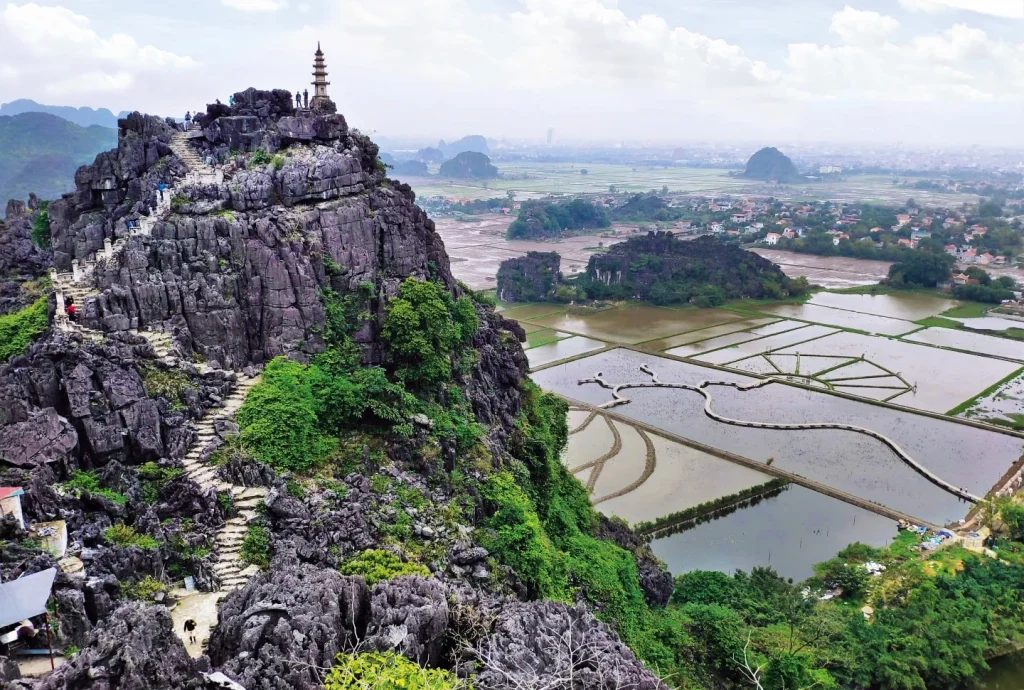
About two hours south of Hanoi, limestone peaks rise from flooded rice fields and winding rivers. The Trang An area is UNESCO-listed and one source calls it a shining example of responsible ecotourism. Nearby, at Tam Cốc, rowers carry visitors by boat along the Ngô Đồng River and through low caves cut into the cliffs.
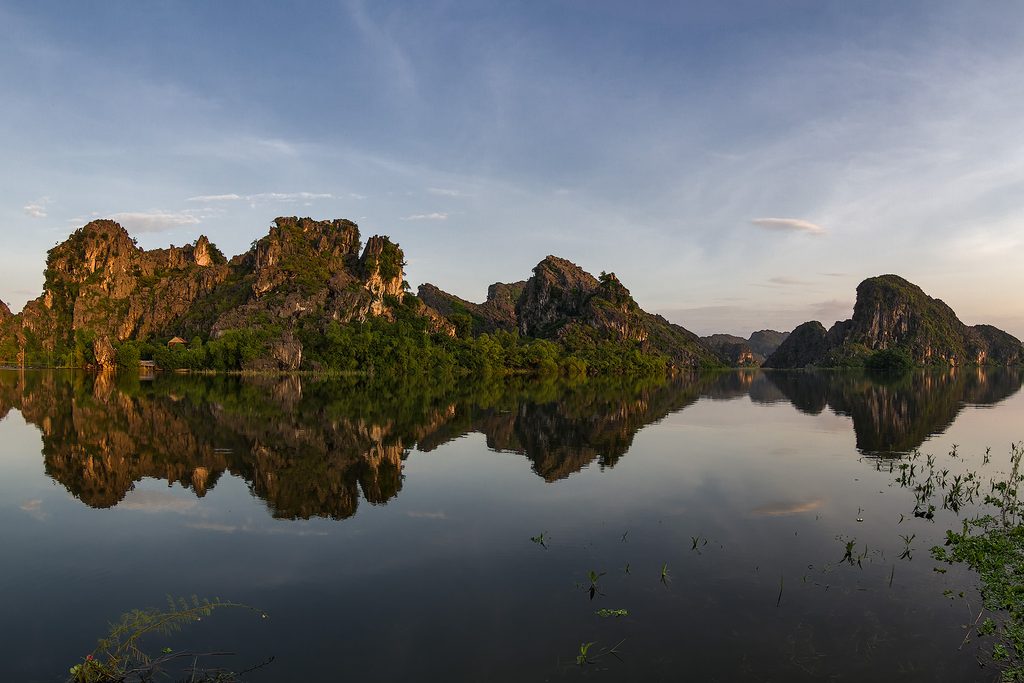
Hire a bicycle and ride the quiet lanes between villages and temples. This region was the seat of early Vietnamese dynasties, so the scenery comes with a deep history. Eat the local speciality, goat meat, or the crisp rice crust dishes (“cơm cháy”) that the area is known for.
2. Pu Luong and Mai Chau: Terraces, Stilt Houses and Thai Hospitality
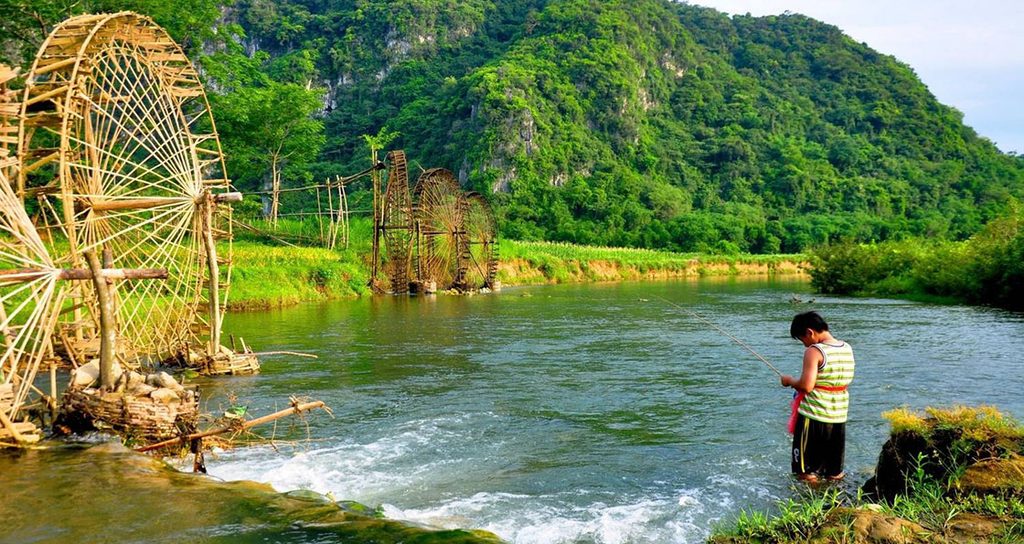
Pu Luong, in Thanh Hóa Province, is a destination of expansive rice terraces, waterfalls and dense forest, with walking, trekking and cycling routes. Mai Chau, nearby, is a valley where you can cycle past paddies and villages of the Thai ethnic minority.
Sleep in a stilt-house homestay, where the family serves sticky rice, grilled river fish and herb-laden dishes around a shared table. Ask your host about the weaving and the customs that are still alive here. Visit in the cooler seasons, when the terraces are at their most photogenic, and always check local conditions.
3. Phong Nha–Kẻ Bàng: Underworld of the Karst
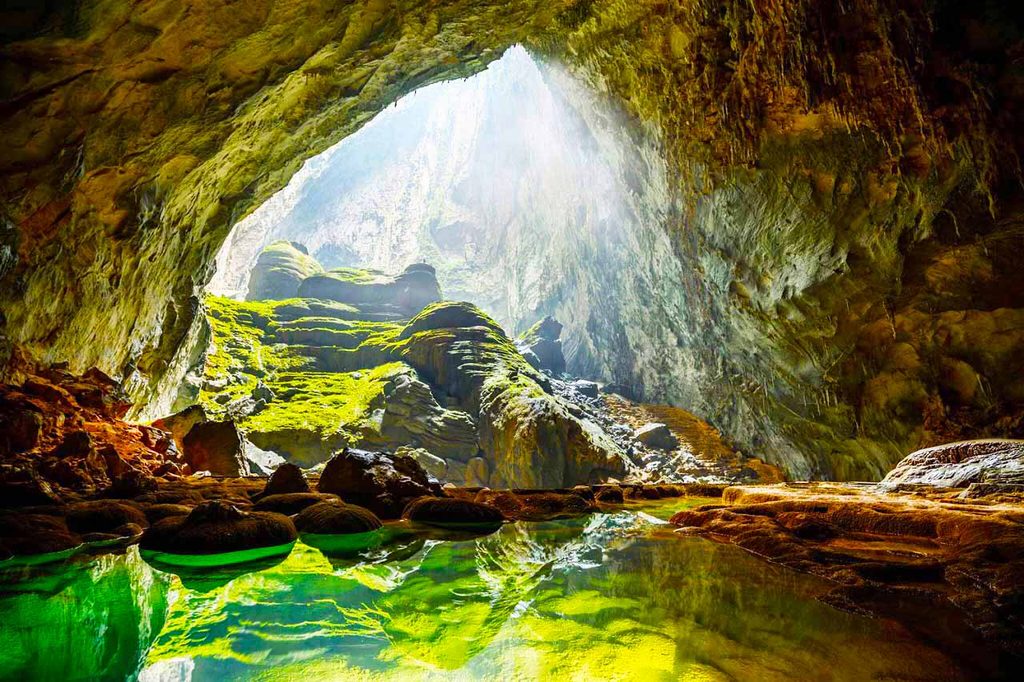
In central Vietnam, near the Laos border, this national park is described as having an extraordinary range of plants and animals above ground and limestone formations below. It is home to Sơn Đoòng, the world’s largest cave, which can only be reached on a strictly limited, multi-day expedition. Oxalis Adventure, based locally, is cited as an example of genuine ecotourism and runs multi-day treks and cave expeditions in the park. Smaller, easier caves, such as Phong Nha Cave, are open to more casual visitors by boat.
One source recommends February to April for this region. Back in town, finish with a bowl of local noodles or a simple plate of rice with fresh river fish. Book early, because the best expeditions fill up.
4. Hội An and Huế: Where Ancient Culture Takes Centre Stage
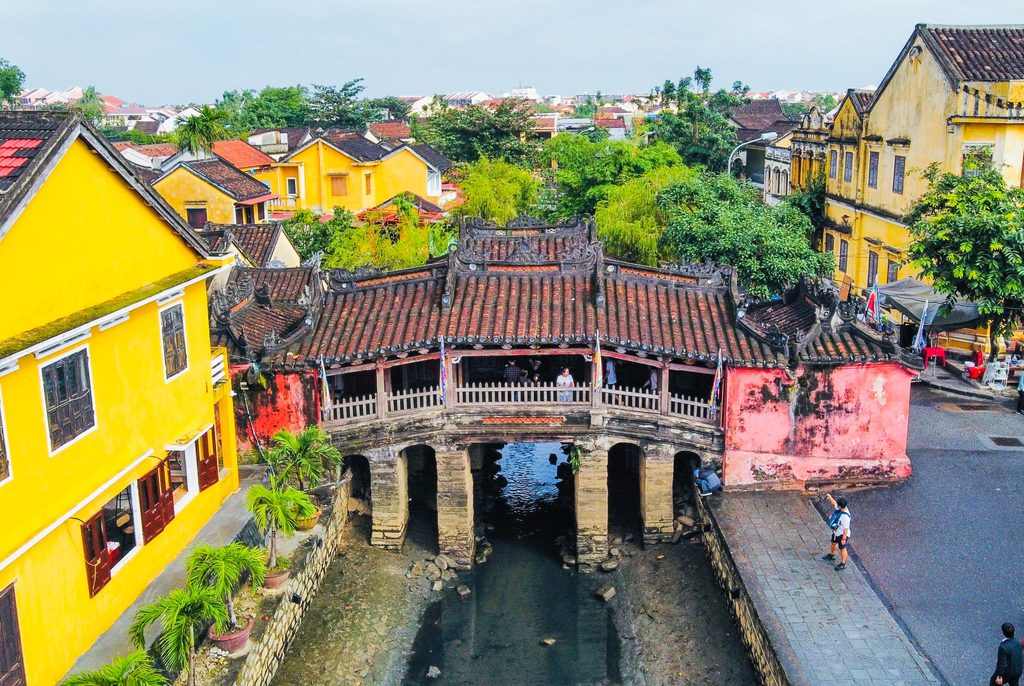
Between the parks and the cities, give yourself a few days among Vietnam’s most atmospheric historic towns. Hội An’s lantern-lit old quarter and merchant houses reflect centuries of trading with Chinese, Japanese and European visitors. Huế, the old imperial capital, offers a citadel and royal tombs along the Perfume River.
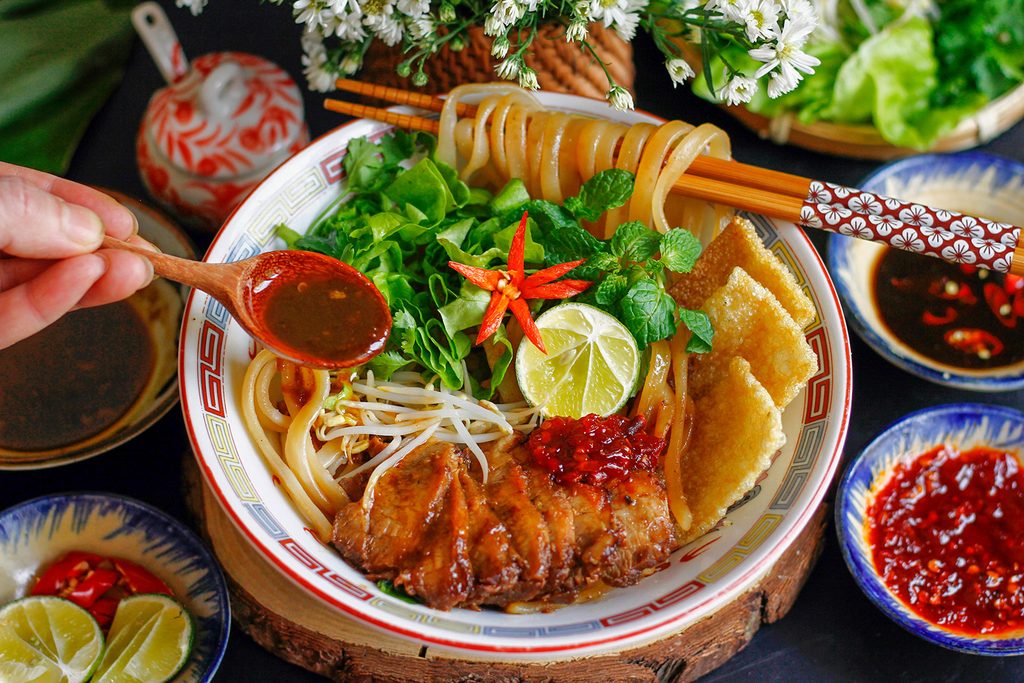
The food is the real reward. In Hội An try cao lầu noodles and bánh mì from the market stalls, and in Huế sample bún bò Huế, a spicy beef noodle soup, and the small, elaborate dishes once prepared for the court. Take a cooking class that begins with a market visit and a basket boat, which supports local families while you learn.
5. Cát Tiên National Park: The Southern Rainforest
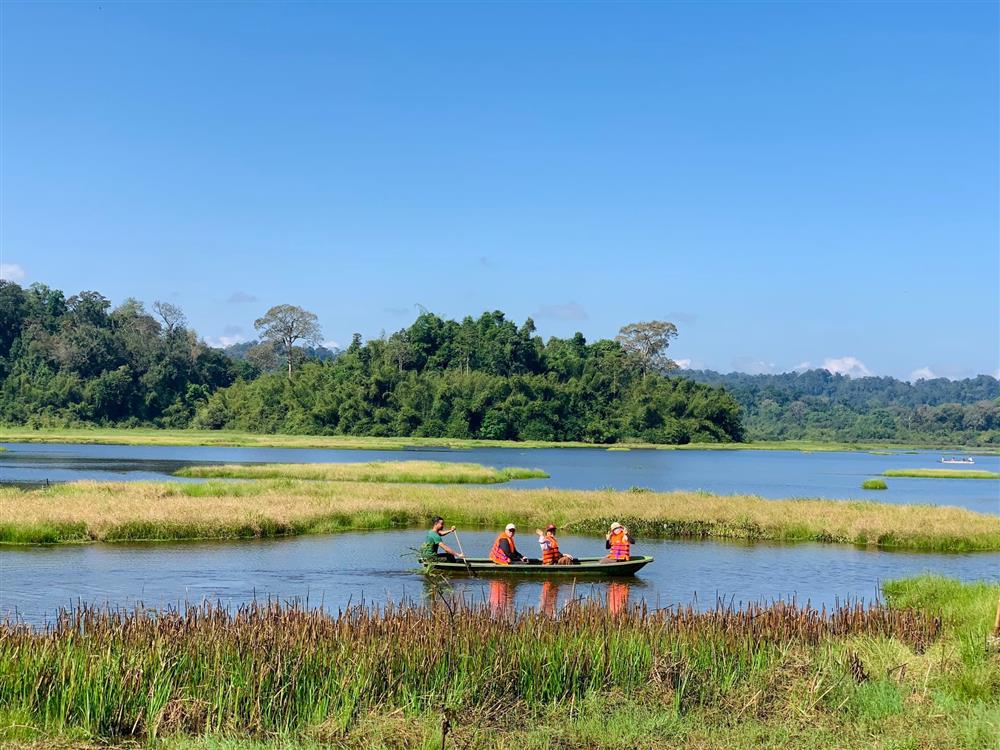
Cát Tiên is one of the last lowland tropical rainforests in Vietnam, and arguably the most biodiverse, according to Indie Traveller. It is also recognised by UNESCO as a World Biosphere Reserve. You can walk or cycle forest trails, and the same writer recommends December to February for a visit. One of the best ways to arrive is by bicycle from the Central Highlands, descending past tea hills, coffee farms and rural communities. Lodges inside or near the park offer simple, nature-focused stays.
Wildlife spotting here takes patience, with dawn walks, bird calls and the chance of primates in the canopy. Evenings suit a simple jungle-lodge dinner of rice, vegetables and fish.
6. The Mekong Delta: Water, Fruit and Floating Markets
Down south, the Mekong Delta is a maze of canals, mangroves, wetlands and orchards. One tour operator claims it hosts more than 10,000 species of plants and animals, including many endangered ones, so treat the figure as indicative. Bang Lang Stork Garden is described as the largest bird sanctuary in the delta, and cycling tours of the villages are a gentle way to see everyday life.
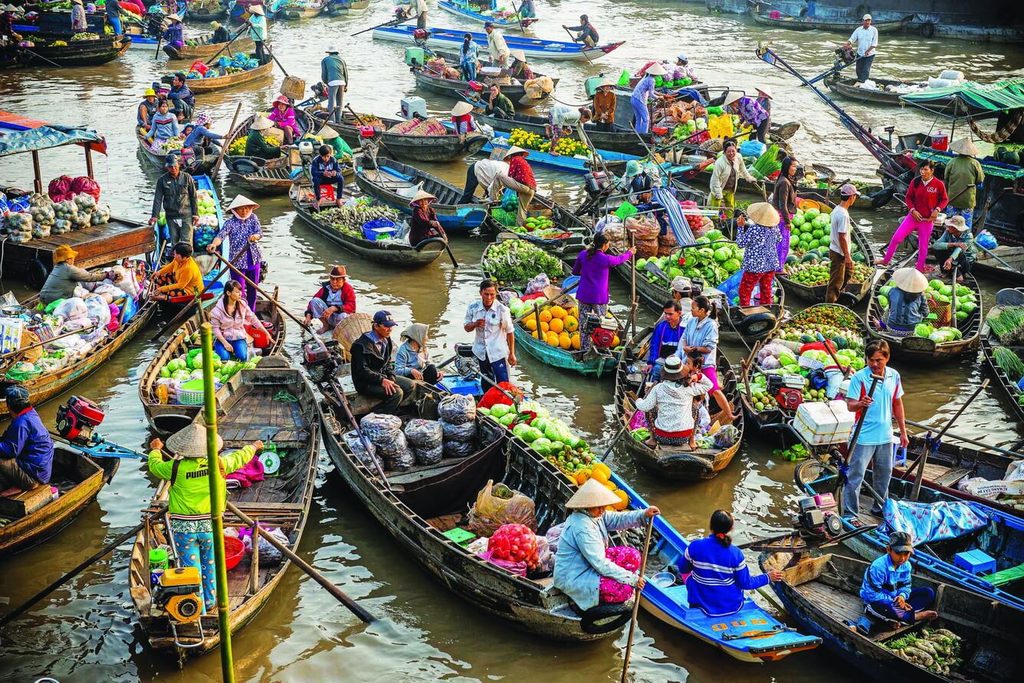
Rise early for a floating market, then follow the river to small family workshops that make coconut candy and rice paper. For lunch, eat what the locals eat: fresh river fish, tropical fruit and noodle soups, and cook it yourself at a homestay if you can.
Travelling Lightly
- Choose small operators who employ local guides and are transparent about their conservation work.
- Stay in homestays and family-run lodges so the money stays in the community.
- Say no to wildlife shows and animal rides. Look instead for sanctuaries with a genuine rescue mission.
- Carry a refillable bottle and reduce plastic, especially on boat trips.
- Respect customs: dress modestly at temples and ask before photographing people.
- Check seasons and conditions. Vietnam’s regions have very different climates, so weather and storms can change plans. Confirm opening times, permits and prices locally.
A Sample Journey
- Hanoi (2 nights): street food and the Old Quarter.
- Ninh Binh and Trang An (2 nights): boats, bicycles and temples.
- Pu Luong or Mai Chau (2 nights): stilt-house homestay and terrace walks.
- Phong Nha (2 nights): caves and jungle.
- Huế and Hội An (3 nights): history, lanterns and cooking.
- Cát Tiên or the Mekong Delta (3 nights): rainforest or waterways.
The Last Bite
Vietnam’s magic lies in how everything is connected. The river that carries your boat also waters the paddies, the paddies feed the village, and the village feeds you. Travel through it slowly, and the country will reward you with views and flavours you will not forget.