


Hands That Remember
Vietnam’s Artisans and the New Creative Economy
eyesonvietnam
On a quiet lane in a village outside Hanoi, the clack of a silk loom has barely changed in generations. A few hours away, in Bac Ninh province, a carver cuts a pearwood block for a print that once hung in nearly every home at Lunar New Year. These sounds sound like the past, but they belong to one of the more interesting economic stories in Southeast Asia: a country discovering that its oldest skills may be among its most valuable assets.
A Country of Craft Villages
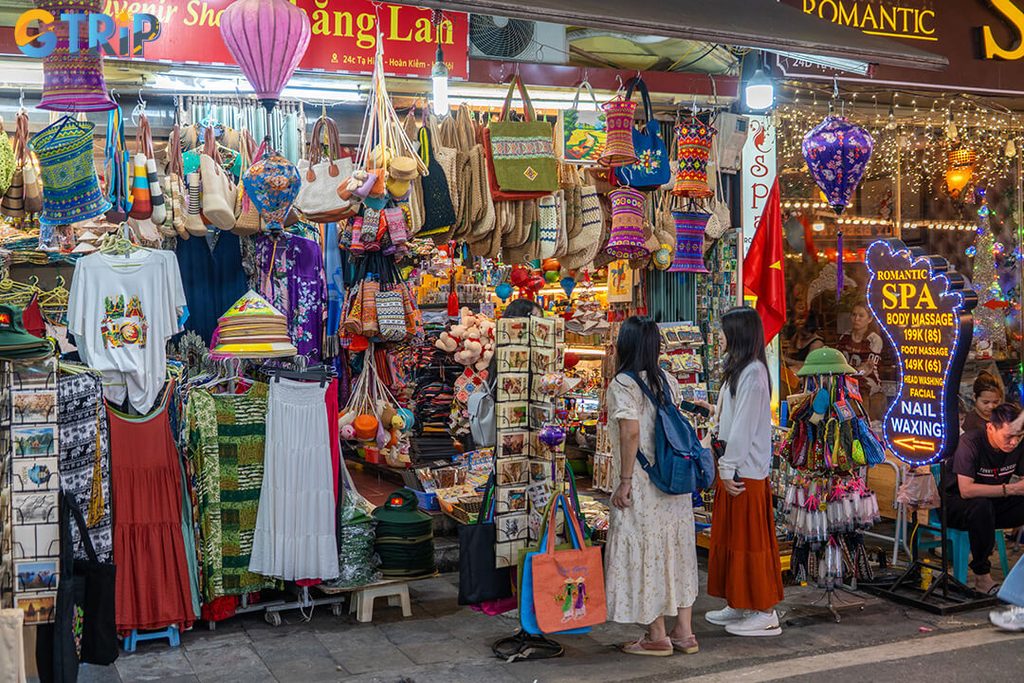
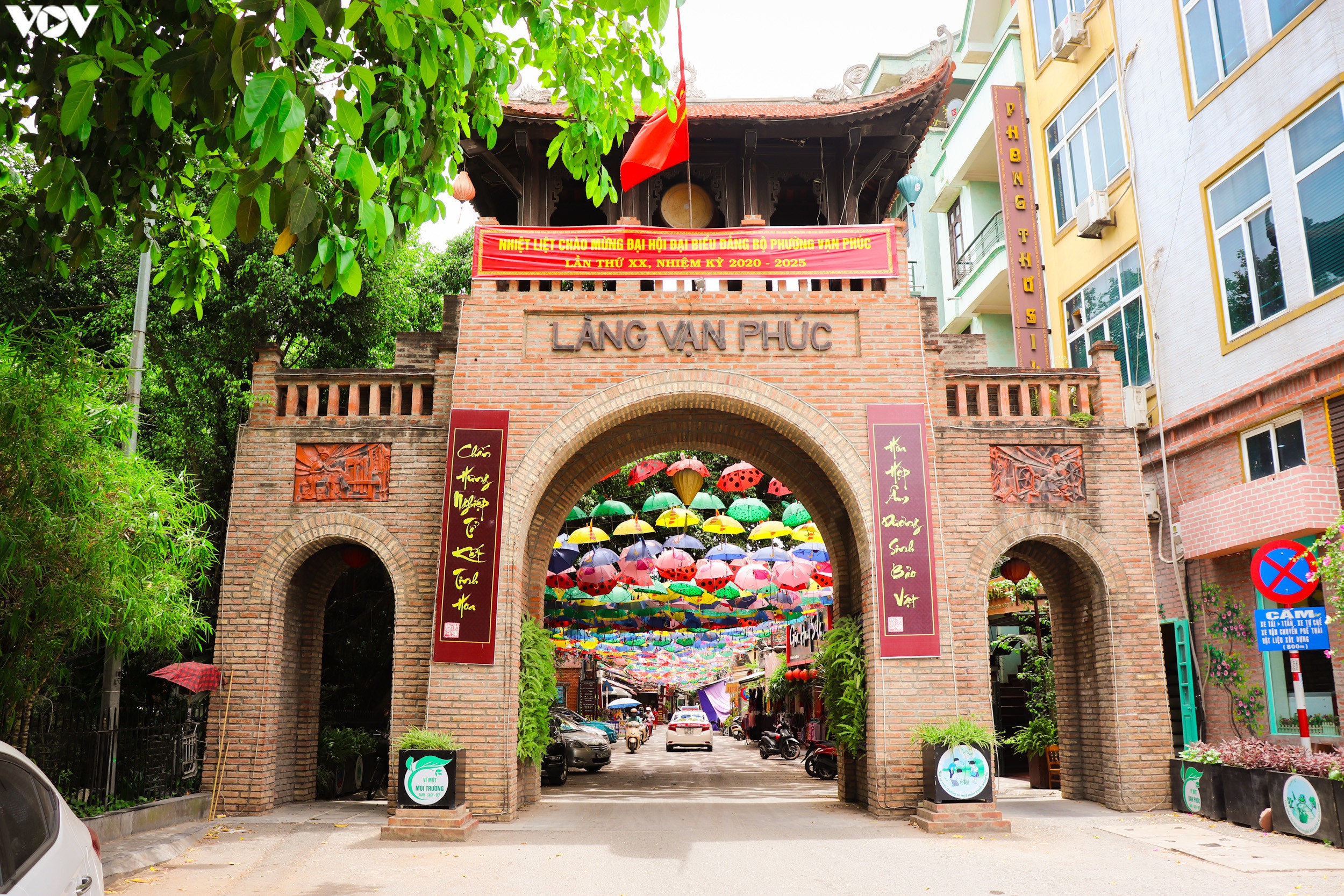
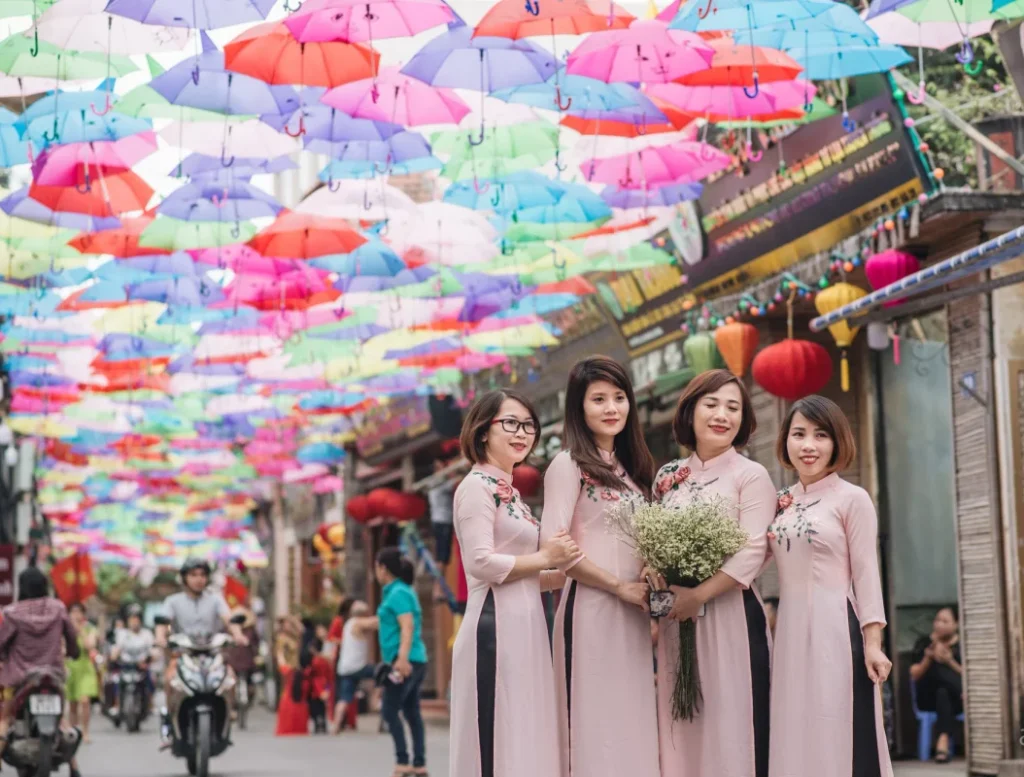
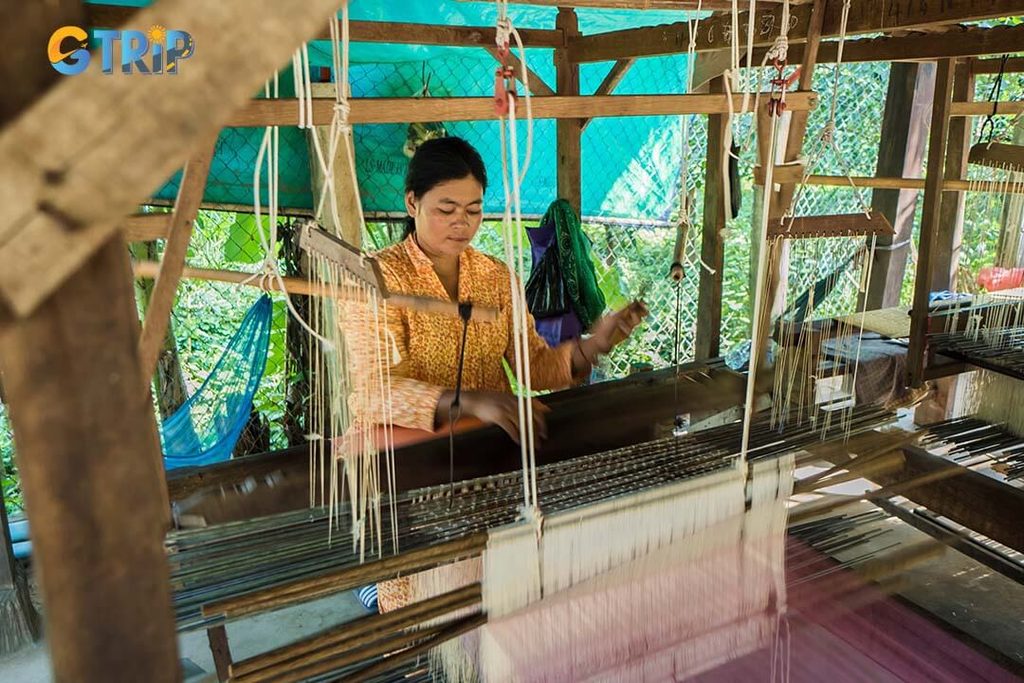
Vietnam’s handicraft tradition is built on villages, many of which have specialized in a single trade for centuries. Bat Trang, a short trip from Hanoi’s Old Quarter, is the capital of Vietnamese ceramics, where visitors can shape wet clay on a potter’s wheel while rows of finished pieces dry in the sun. In Van Phuc, looms still echo through narrow alleys as weavers make silk by methods their ancestors would recognize. In Ha Thai, lacquer artists carry on a craft that, according to one local master, the village has preserved and developed for about 200 years.
Lacquer is an especially Vietnamese art. Layer upon layer of resin is applied, dried, and polished by hand, often with eggshell or mother-of-pearl inlaid into the surface, until a flat panel glows with depth. It is slow, unforgiving work, which is exactly why it is so hard to imitate.
The Craft That Almost Disappeared
Tradition is never guaranteed. Dong Ho woodblock prints, with their bold colors and folk motifs of roosters, fish, and village life, once flourished in the village that gave them their name. Then modern printing technology and shifting consumer tastes cut demand until only a handful of families kept going. UNESCO has since placed the craft on its list of intangible heritage in need of urgent safeguarding, a distinction that is both an honor and a warning.
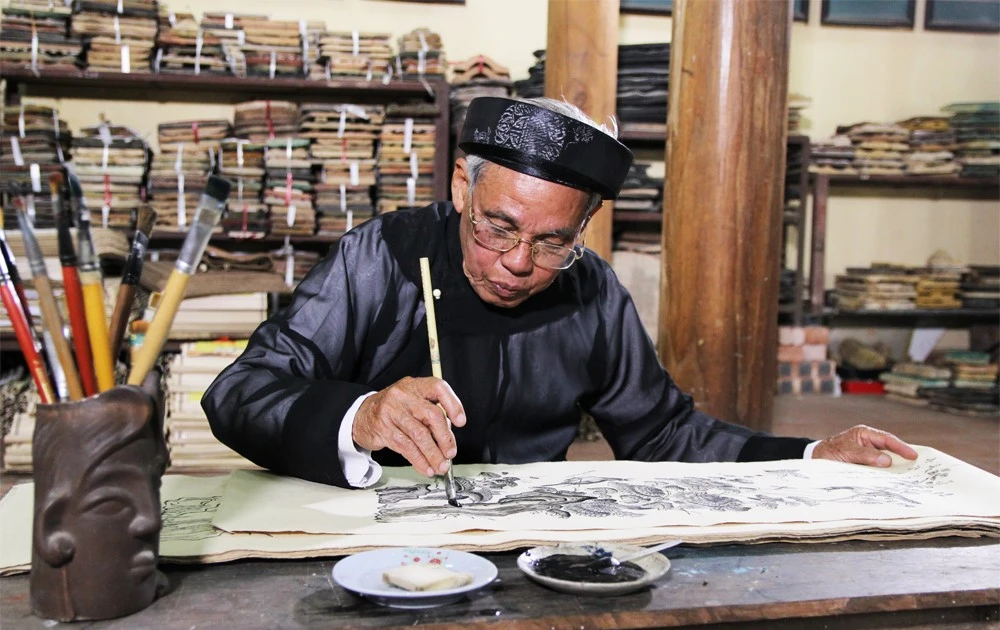
Yet the story has not ended there. Artisan Nguyen Dang Che is credited with reviving this form of printing in the early 1990s, and a younger generation has followed him. His relatives and neighbors, such as Nguyen Huu Dao, born in 1990, now carve blocks for both traditional and modern subjects. They run workshops for visitors, who learn each stage of the process, from mixing colors to carving to printing. A craft that nearly vanished is being kept alive partly by the curiosity of people who come to try it.
When Tradition Becomes a Design Language
The most exciting changes are happening where heritage meets contemporary design. Young Vietnamese makers are bringing traditions to life through ceramics, lacquer, pearl inlay, silk, and brocade, and many of them treat folk culture not as something to copy but as raw material. Lacquer painter Nguyen Xuan Luc, born in a craft village and trained in fine art, is one example. Hanoi’s SMA Studio, whose “Queen Chair” is a well-known piece, is another. As one profile puts it, these artists use folk values as inspiration for a new design language rather than as tired imitation.
Collectives are forming around the same idea. Groups such as Phường Bách Nghệ describe their mission as preserving traditional crafts while reviving ancient techniques and pairing them with fresh, modern designs. The result is lacquer in furniture, indigo in fashion, ceramics in minimalist tableware, and silk in homeware that would look at home in a Copenhagen shop. The old skills stay, but the products speak to the people who buy them today.
The Economics of Creativity
Behind the romance is real money and, increasingly, real policy. Vietnam’s cultural industries now include roughly 70,000 active enterprises, employing more than 3 million workers and contributing an estimated 2.5 to 3 percent of GDP. Handicrafts are one of the six sectors the Ministry of Culture says have reached significant milestones, alongside cinema, design, performing arts, cultural tourism, and games.
The government wants far more. A national strategy aims for cultural industries to contribute 7 percent of GDP by 2030 and 9 percent by 2045, with handicrafts and creative design among the priority sectors. In January 2026, a Politburo resolution went further, designating cultural industries a strategic economic sector for the first time. Whether those targets are met is an open question, but the direction is clear: culture is now treated not as decoration but as an engine of growth.
Workshops, Tourism, and the Experience Economy
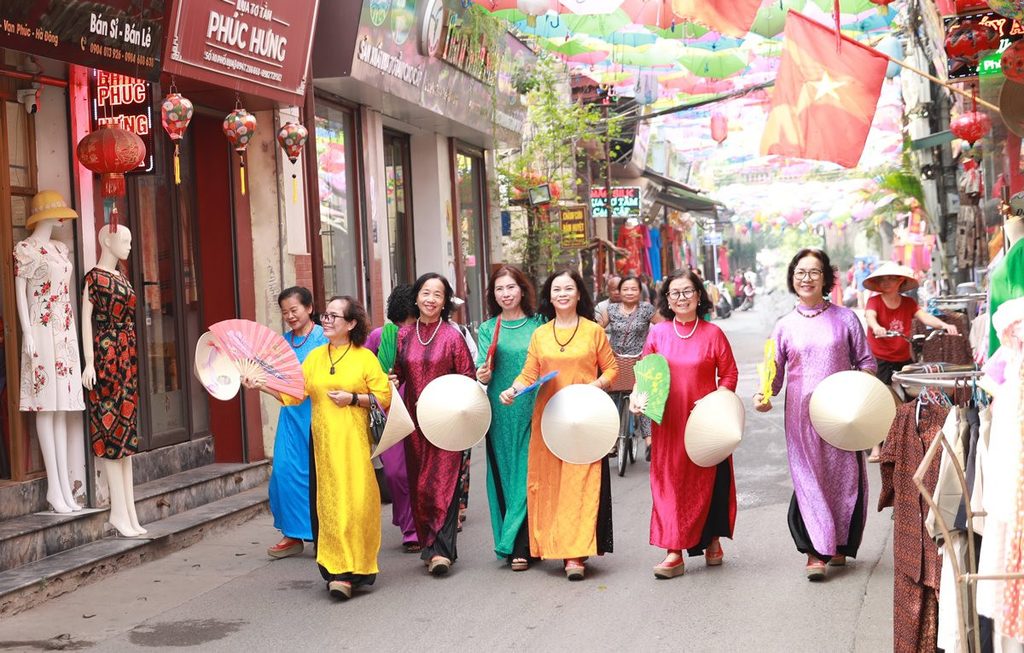
Travelers are part of this story. The old model of buying a souvenir on the way out is giving way to something richer, in which visitors spend a morning in a workshop and leave with both an object and an understanding of how it was made. For a village that might otherwise lose its young people to factory jobs, that matters. A pottery class in Bat Trang or a printing session in Dong Ho can pay a family enough to justify teaching the next generation, which is the only thing that keeps a craft alive.
A Final Thought: Seen, but Not Yet Known
Vietnamese handicrafts already travel widely, reaching buyers in around 160 countries. But reach is not the same as recognition. Too often, a Vietnamese lacquer bowl or silk scarf is sold abroad as generic “Asian decor,” its village, its maker, and its story lost along the way. Vietnam’s strategists acknowledge this, noting that competing globally requires cultural products with strong national branding, supported by cultural diplomacy and international partnerships.
The artisans themselves hold the best argument. Each piece carries a lineage: a village, a family, a technique refined over centuries. The challenge now is to make sure the world sees the names behind the objects, through proper provenance, craft-focused storytelling, design fairs, and fair prices that let makers thrive. If that happens, Vietnam will be known abroad not just for what it manufactures, but for what its people still know how to make by hand.