

Threads of Light: Walking Paraguay’s Ñandutí Circuit
eyesonparaguay
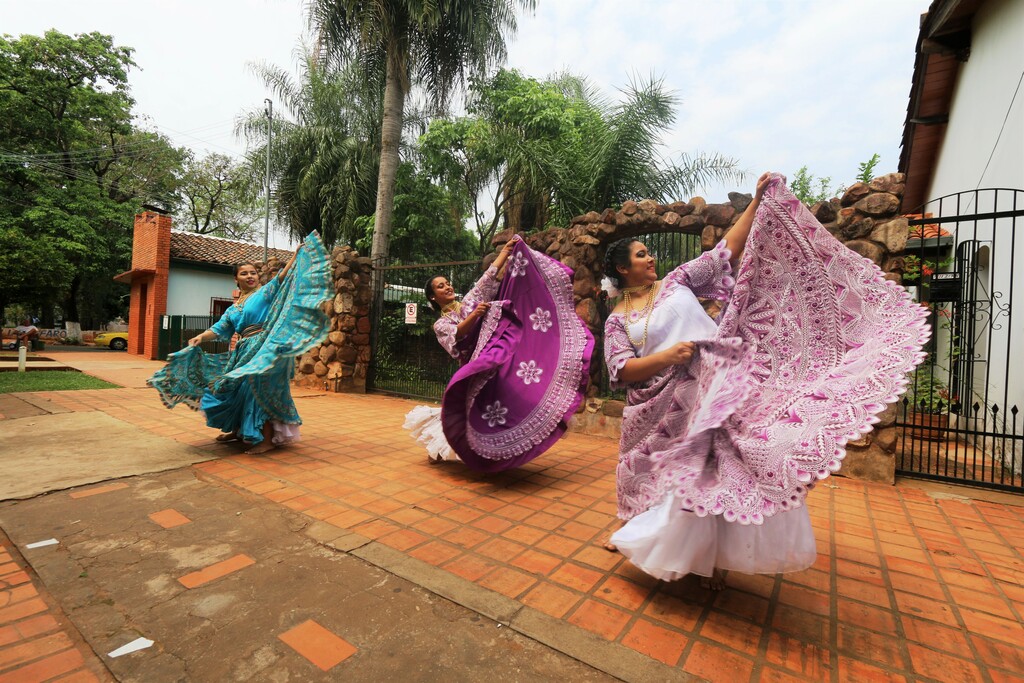
In Guaraní, ñandutí means “spider web.” The name fits. Each piece of this lace begins at a single point and spreads outward in rays, then fills with tiny stitches until the cloth looks like frost caught in a morning web. Behind each piece are hours of patient work, usually by women who learned the craft from their mothers and grandmothers.
The towns around Lake Ypacaraí, a short drive from Asunción, are where this tradition lives. Together they are often called the Ñandutí Circuit, a loose route of lace, clay, silver, wood and stories. Travelers can follow it in a day or stretch it into a weekend. It shows how a country can build a creative economy from what its people already know how to do.
Itauguá: The Lace Capital
Start in Itauguá, the heart of ñandutí. Along the main streets, artisans sit in doorways and shaded stalls with their frames, their needles and their colored threads, and often keep working while you browse. The small Museo del Ñandutí shows the history of the craft, from its Spanish-lace roots to the bold, colorful designs Paraguayan weavers made their own. Around the same time each July, the town celebrates the lace with a festival. If you can, time your visit for it.
Buy directly from the makers. A tablecloth costs more than a keychain, but the price reflects weeks of work, and it is a fair price for a heritage piece. You can also watch the stitch patterns come to life: flowers, suns, stars, all built one tiny loop at a time.
Areguá: Clay, Color and Lake Breezes
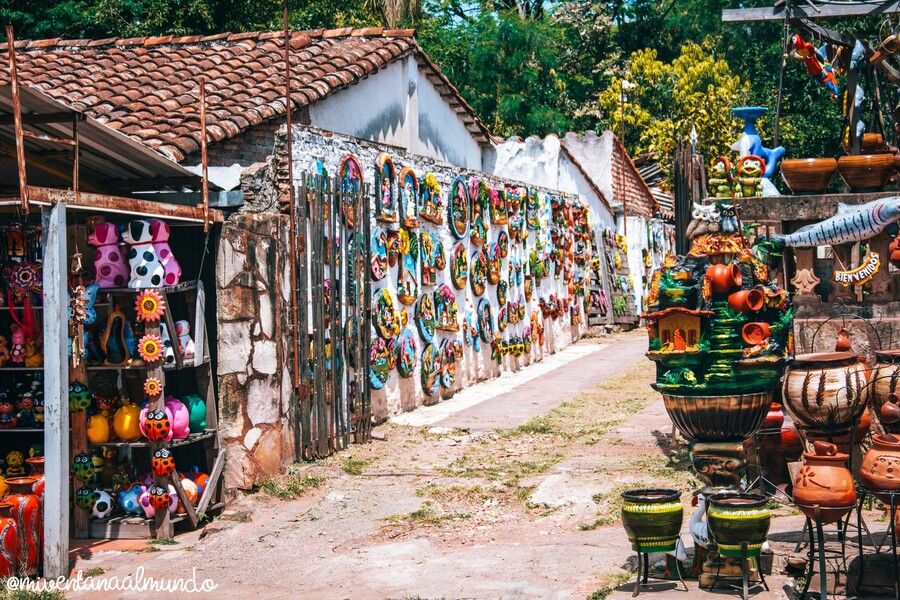
Areguá sits on a hillside above Lake Ypacaraí, and the town has long drawn painters, potters and weekend escapees from the capital. Its cobbled streets are lined with ceramic workshops, galleries and small cafés. The local clay turns into everything from rustic tableware to whimsical figurines, and many workshops let you see the process or try it yourself.
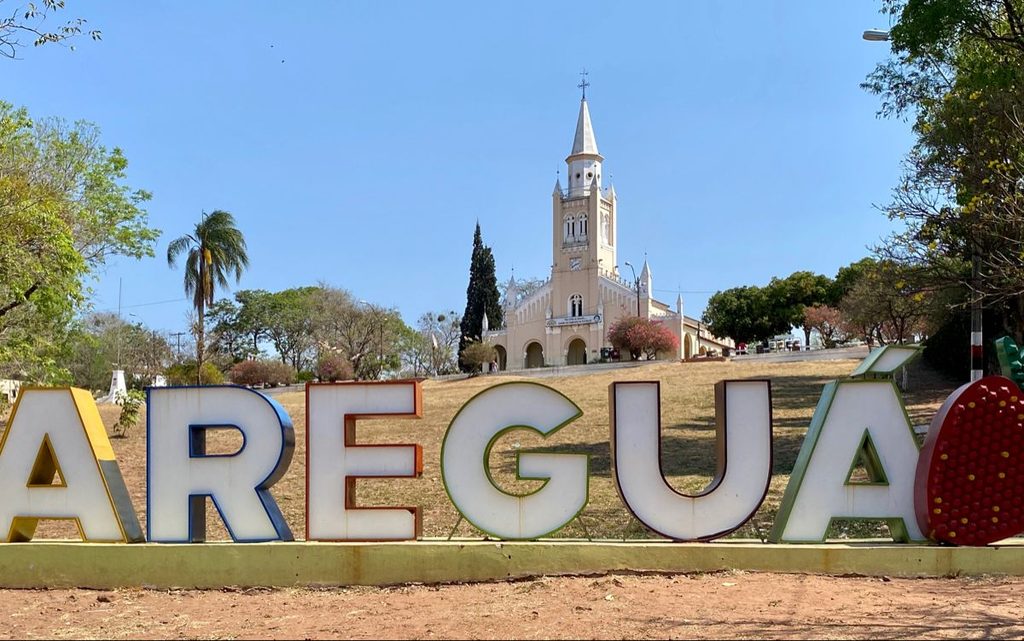
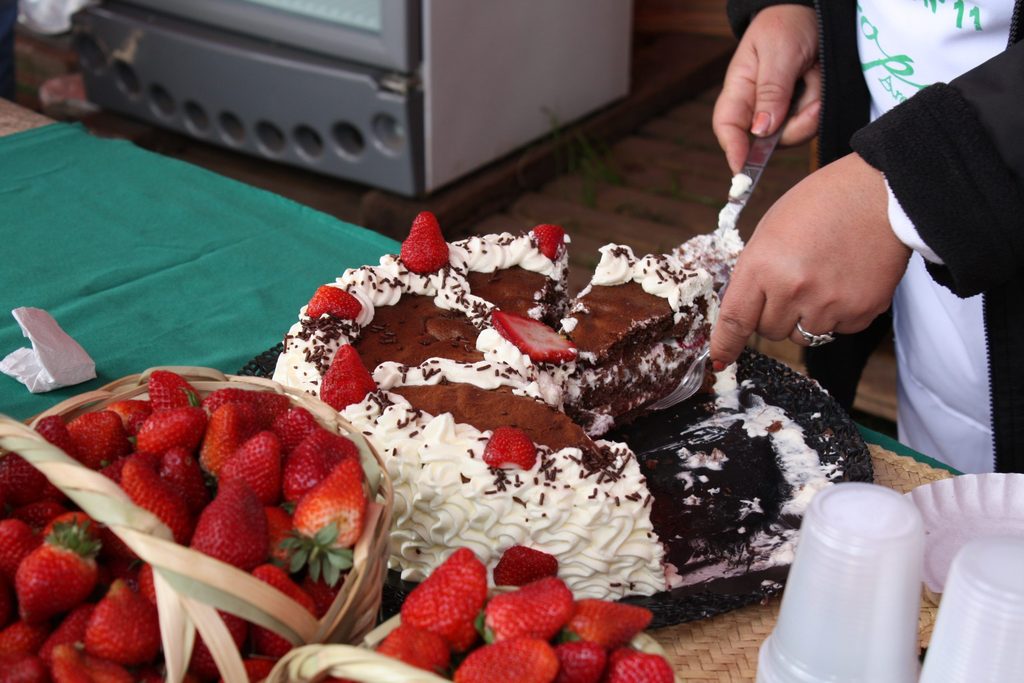
The town is also known for its strawberries, especially in season, and for a calm, bohemian mood. Walk the lanes, stop for something sweet, and look out over the water. This is a good place to see how culture and tourism feed each other. Visitors bring income, and the artists keep the town’s creative character alive.
Luque: Silver, Strings and Fine Detail
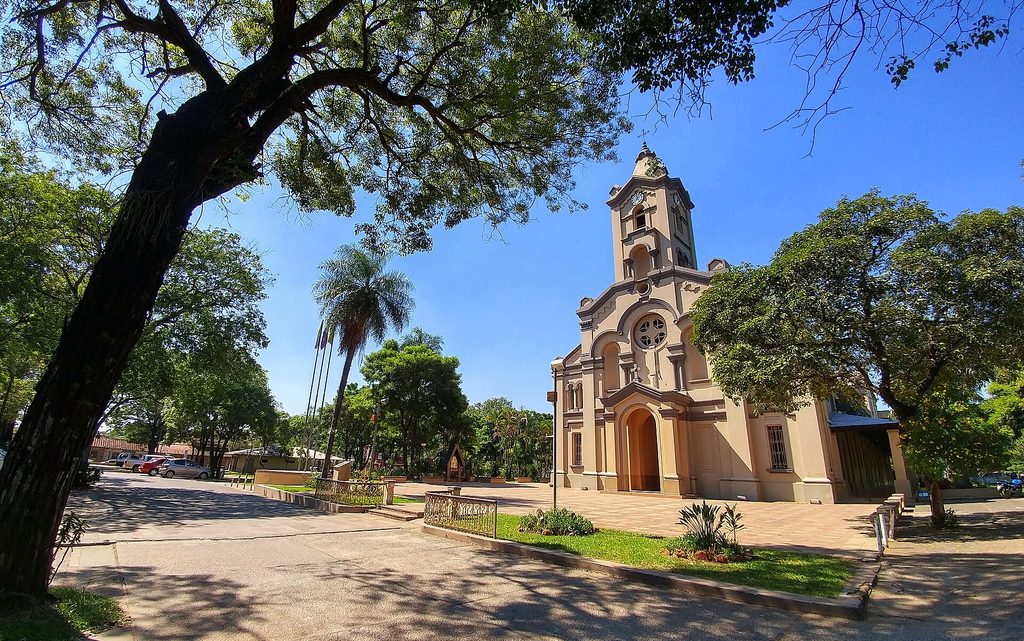
Luque has a reputation for two crafts that demand a steady hand. One is silver filigree jewelry, where fine wire is twisted and soldered into delicate earrings, pendants and brooches. The other is guitar-making. Paraguay has a deep musical tradition of harp and guitar, and the instruments come from workshops like these. Even if you leave without a guitar, hearing a luthier explain how wood choices shape sound is a lesson in craftsmanship.
Yaguarón and Tobatí: Heritage in Wood
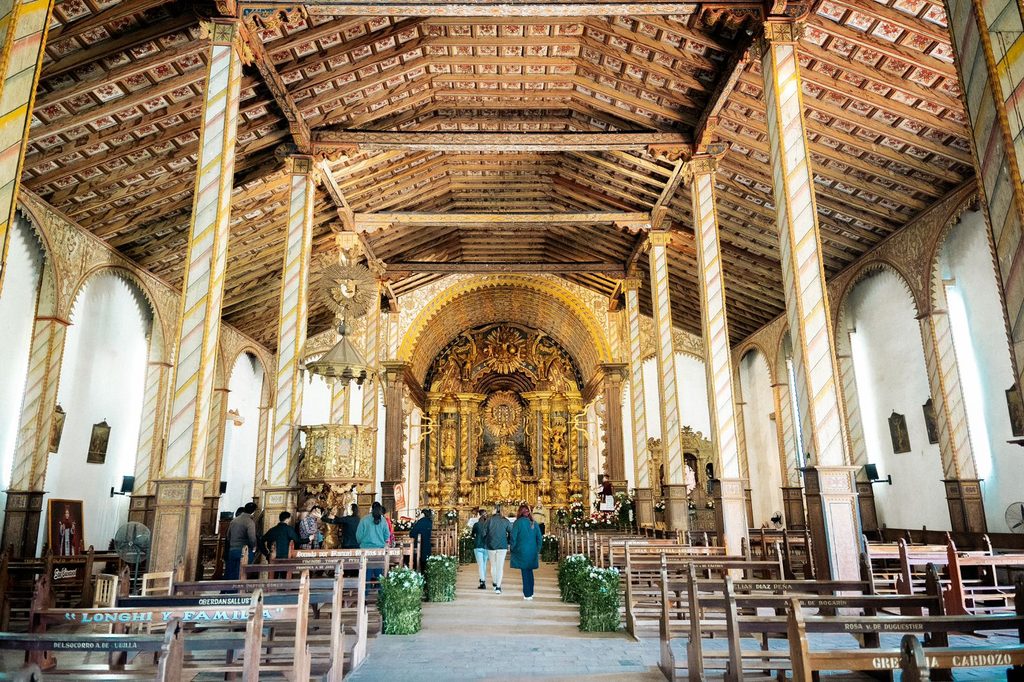
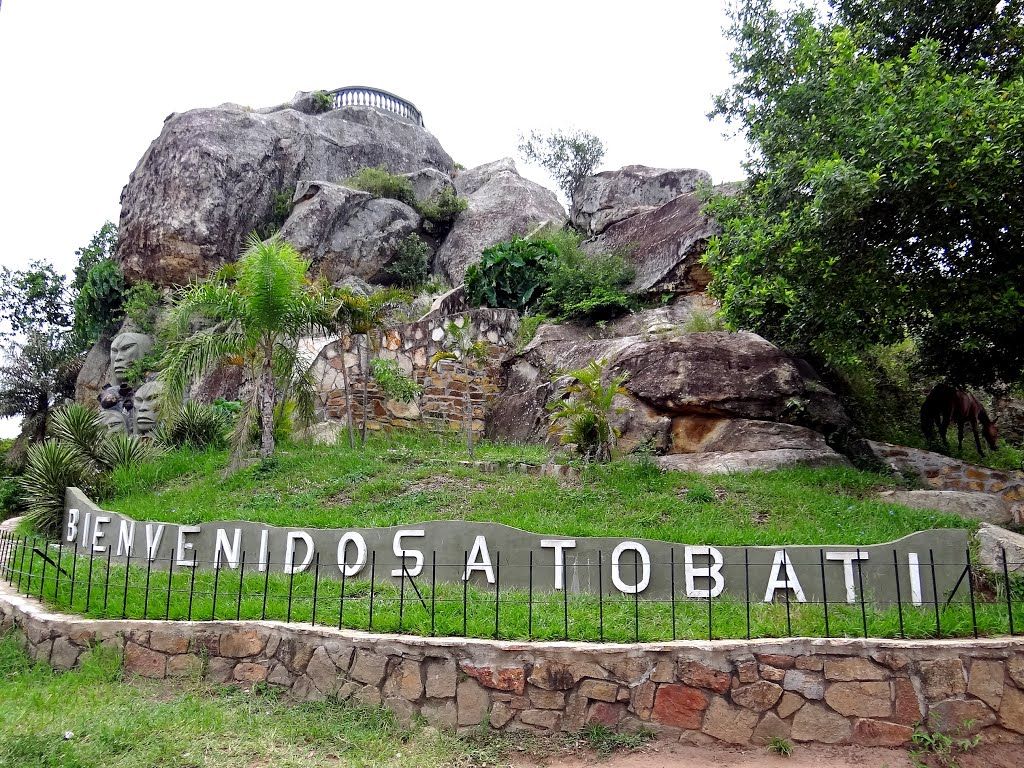
Further out, the circuit opens into the region’s colonial and artisan heritage. Yaguarón is known for its Franciscan church, with its richly carved and painted wooden interior made by Guaraní artisans in the colonial era. Nearby Tobatí is known for woodcarving and sculpture, with workshops where masks, figures and decorative pieces take shape under skilled hands.
Ecotourism and the Creative Economy
What makes this route inspiring is how closely the crafts connect to the place. Lake Ypacaraí, the hills, the small farms and the quiet towns give visitors a reason to slow down. Many artisans work from home, so tourism supports families directly, often women who gain independent income and keep a cultural tradition going. Travelers who go on foot or by bicycle, eat local food and buy handmade goods help the money stay within the community.
That is the idea behind a creative economy: culture is not just something to preserve in a museum but a living source of livelihood, pride and innovation. Young designers are already reinterpreting ñandutí in fashion, accessories and interior design, while keeping the hands of the original artisans at the center.
Tips for Visiting
- Go slowly. Pick two or three towns rather than rushing through all of them.
- Buy from makers. Ask about the work and pay a fair price.
- Check dates and hours. Festivals, museum hours and workshop schedules vary, so confirm locally before you go.
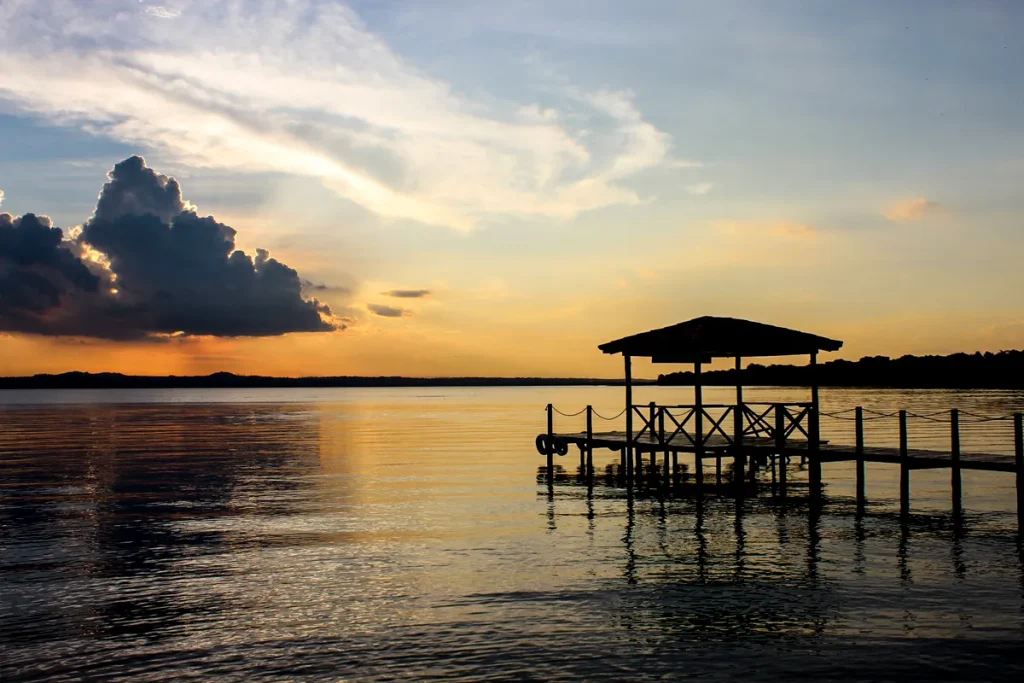
- Stay for the lake. Sunset by Ypacaraí is a good way to end the day.
Every thread in a piece of ñandutí is small, but together they hold a whole community’s skill and memory. Follow the circuit and you begin to see how a country can weave its future from its own traditions.