

Where Two Worlds Meet: Arts and Crafts in Paraguay
eyesonparaguay
Paraguay is one of the few places in the Americas where an Indigenous language is spoken by most of the population, not just a minority. Guaraní lives in homes, markets, songs and jokes. That fact explains much of what you see in the country’s crafts. Here, the colonial encounter between Guaraní communities and Spanish missionaries did not simply erase one tradition under another. It produced a third thing: objects, images and techniques that belong fully to neither world and fully to Paraguay.
The Jesuit Reductions: A Workshop of Two Cultures
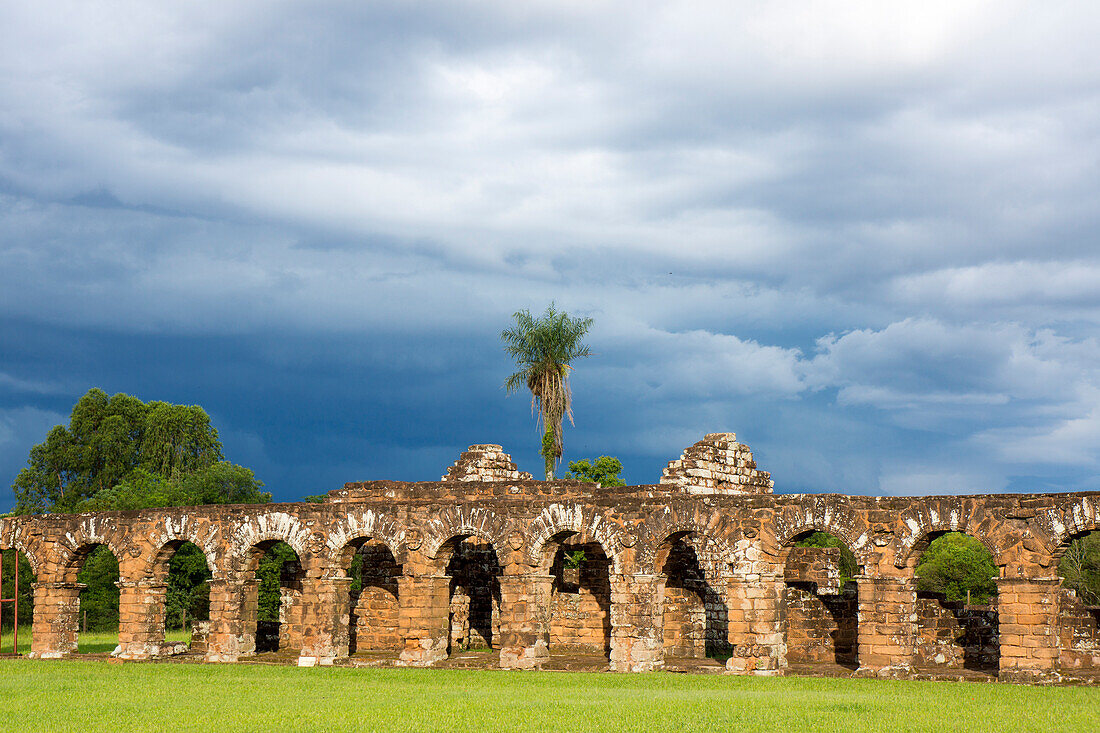
In the 17th and 18th centuries, Jesuit missionaries founded settlements known as reductions across what is now Paraguay, northeastern Argentina and southern Brazil. Guaraní communities lived and worked in these towns, and the missions became centers of artistic production. Guaraní carvers, painters, musicians and builders produced altarpieces, statues and instruments, working with European models but bringing their own hands, eyes and sensibilities to the task.
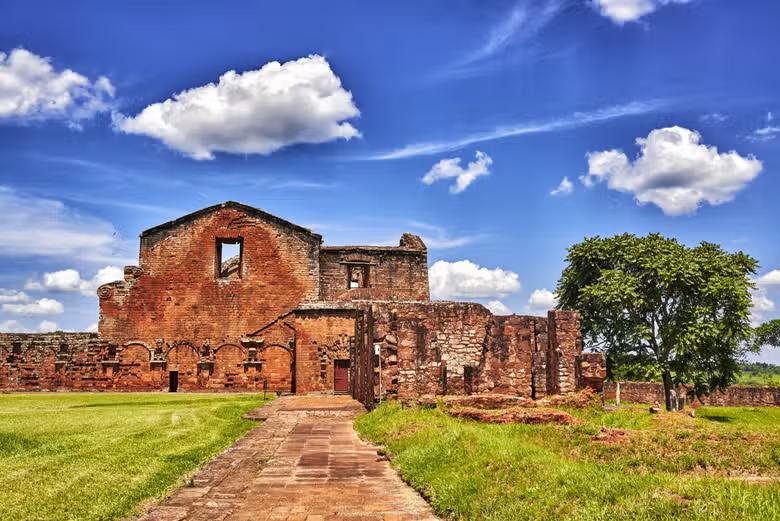
Two UNESCO World Heritage sites in Paraguay preserve this legacy: the ruins of La Santísima Trinidad de Paraná and Jesús de Tavarangue, in the Itapúa department. Walk through the carved sandstone doorways and the broad plazas and you see a baroque vocabulary reshaped by Guaraní craftsmanship. Faces on carved figures tend to be broader, ornament leans toward local flora, and the overall effect is unmistakably of this land. The reductions also nurtured music, and the tradition of baroque-influenced performance still echoes in Paraguay’s harp and guitar culture.
Yaguarón: A Church Made by Guaraní Hands
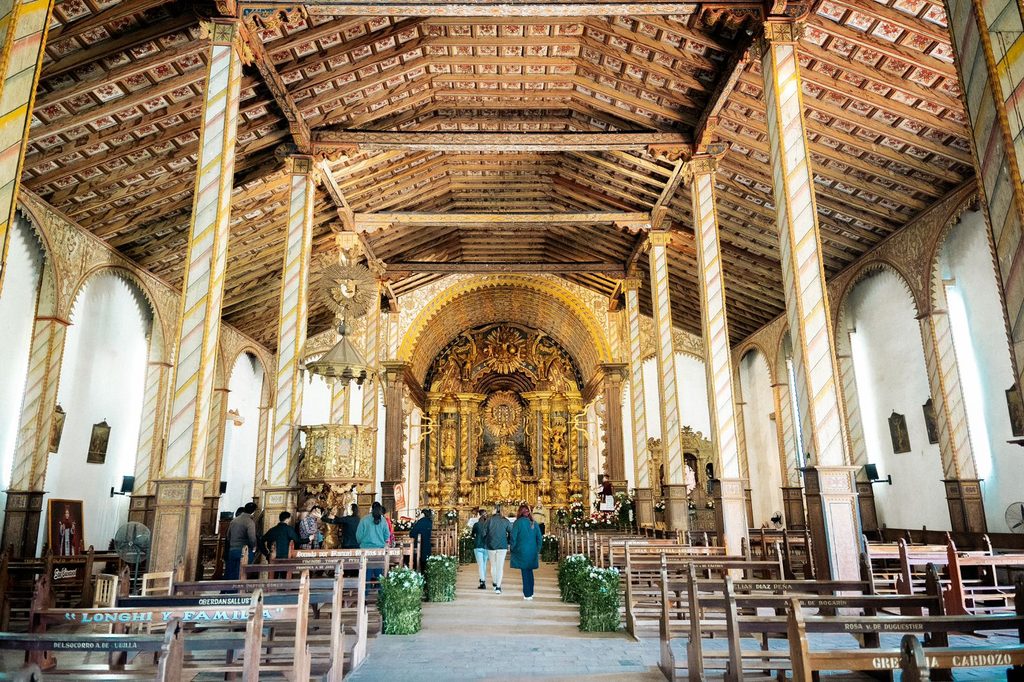
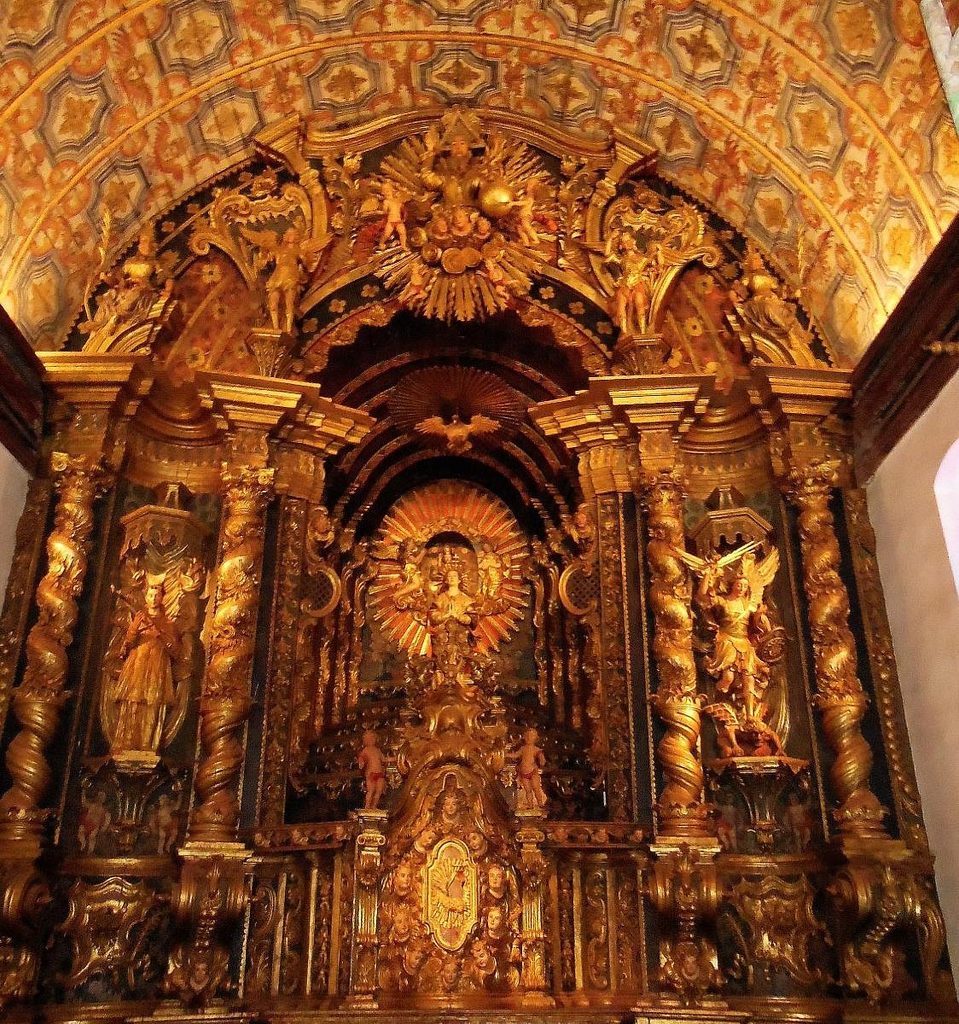
If one building captures the colonial-Guaraní blend, it is the Franciscan church of Yaguarón. Its wooden interior, richly carved and painted in warm colors, was largely the work of Guaraní artisans in the colonial period. The pulpit, altarpieces and ceiling teem with floral motifs, angels and saints, rendered with a freedom that sets them apart from strict European convention. It is a reminder that “colonial art” in Paraguay was often Indigenous skill working under colonial commission, and that the makers left their mark anyway.
Ñandutí: Lace with Two Lineages
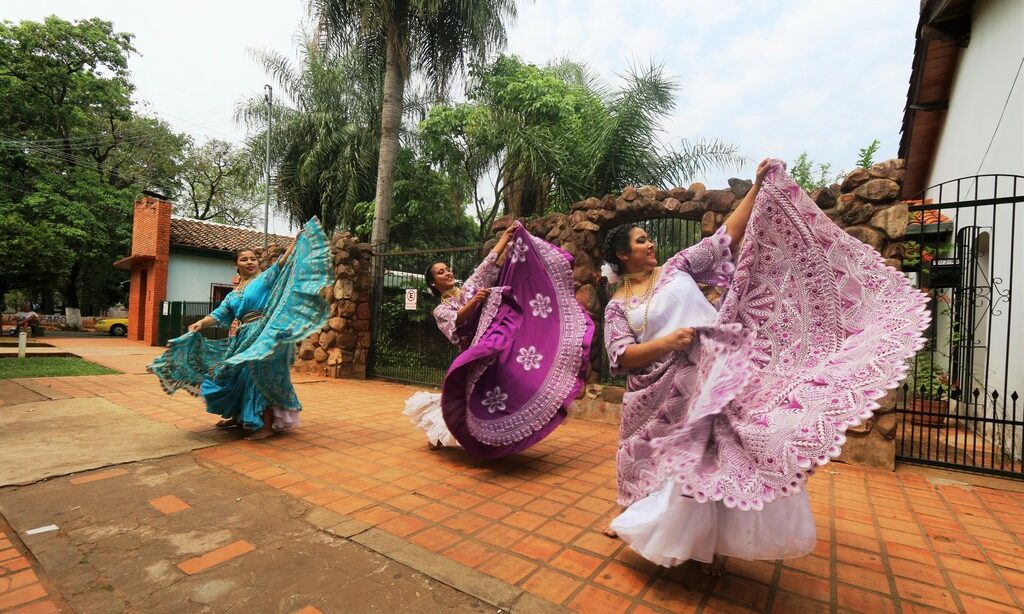
Paraguay’s best-known craft carries this double heritage in its very name. Ñandutí is a Guaraní word, but the technique is generally linked to Spanish lace traditions. Over generations, Paraguayan women transformed it, filling the cloth with vivid colors and patterns drawn from the natural world: flowers, stars, insects, suns. Today the lace of Itauguá is a national symbol, and its makers pass the craft from mother to daughter. It is perhaps the clearest example of a borrowed technique becoming a deep expression of local identity.
Ao Po’i and Poncho Para’í: Textiles with Memory
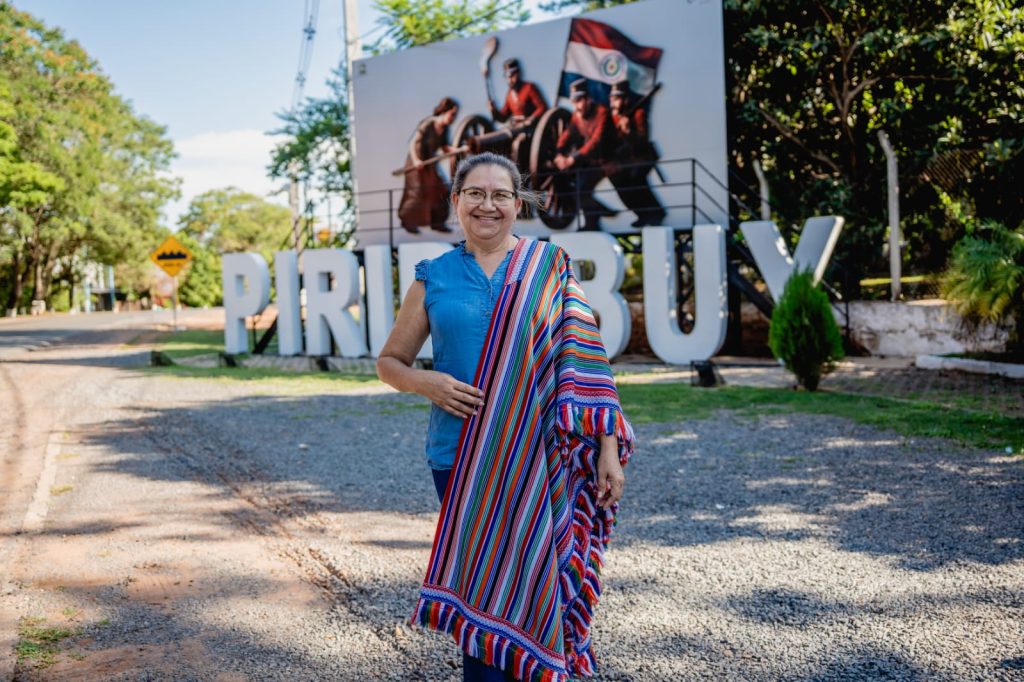
Textiles run through the country’s craft heritage. Ao po’i, whose name means “fine cloth” in Guaraní, is a lightweight, finely embroidered cotton fabric traditionally used for shirts and dresses. Poncho para’í is a hand-woven textile known for its striking stripes and patterns, with roots in the town of Piribebuy. Both are labor-intensive crafts, and both show how weaving traditions, Indigenous and European, merged and endured.
Living Indigenous Craft
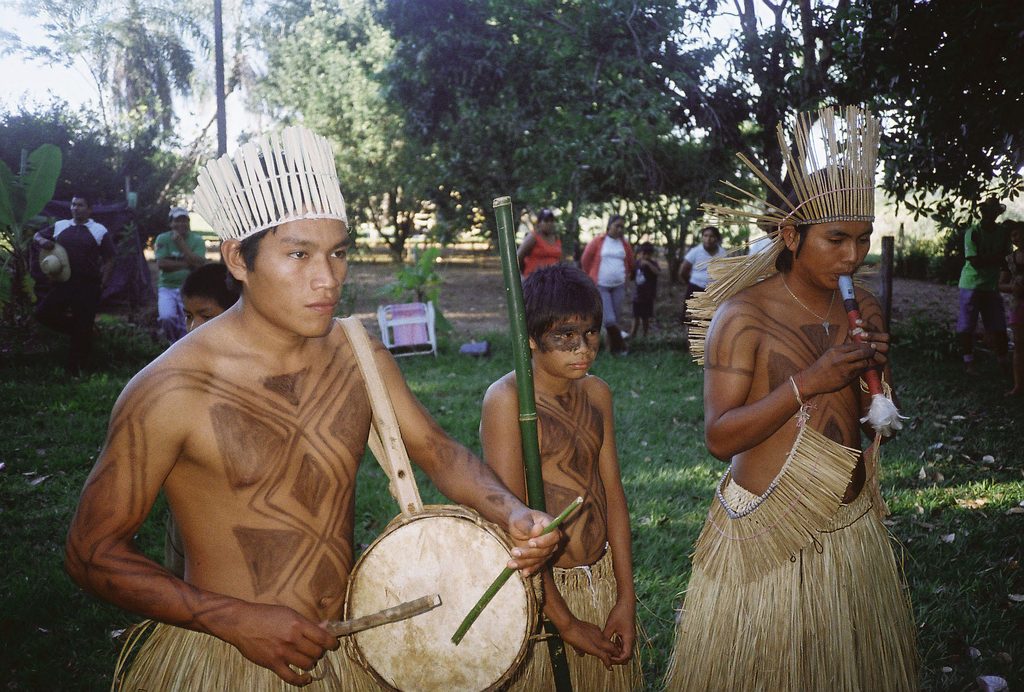
It would be a mistake to treat Guaraní culture as history only. Paraguay is home to a number of Indigenous peoples today, including various Guaraní-speaking communities, and many continue to make baskets, woven bags, wooden figures, feather ornaments and other objects that carry cultural and spiritual meaning. Buying directly from Indigenous artisans or through reputable cooperatives, and paying fair prices, is one of the most direct ways to support these communities and their knowledge. Where possible, ask about the maker and the meaning of the piece, and respect that some designs and objects are tied to community traditions.
Why It Matters Now
Crafts in Paraguay are more than souvenirs. They are an archive of how people survived, adapted and created under pressure, and they remain a living source of income, especially for women and rural families. Designers and cooperatives are finding new markets while keeping traditional methods, proving that heritage and innovation can work together.
Travelers who seek out these crafts at the source, in Itauguá, Yaguarón, Piribebuy, Itapúa and beyond, get more than objects. They get a window into a culture built on a conversation between peoples, one that is still going on, in Guaraní and Spanish, in thread, wood and stone.